
Feng Zhang, PhD, is a molecular biologist focused on developing and applying novel molecular
technologies for studying and improving human health. Dr. Zhang’s studies explore biological
diversity with the goals of understanding nature and discovering systems and processes within
nature that may be harnessed through bioengineering.
Dr. Zhang played an integral role in the development of two revolutionary molecular
technologies: optogenetics, which lets researchers control neurons with light to learn more
about how the brain works, and CRISPR-Cas9-based gene editing, which allows researchers to
make precise changes to the DNA in living cells. He and his team have adapted multiple other
CRISPR systems for use as genome and transcriptome engineering tools, as well as developed
a number of applications of CRISPR systems including high-throughput genome screening,
gene insertion, and detection of nucleic acids.
Dr. Zhang’s long-term goal is to develop novel therapeutic strategies for complex diseases
without a single underlying genetic change. Tackling brain diseases, specifically, has been a
goal since college, when he saw friends suffering from severe mental illness.
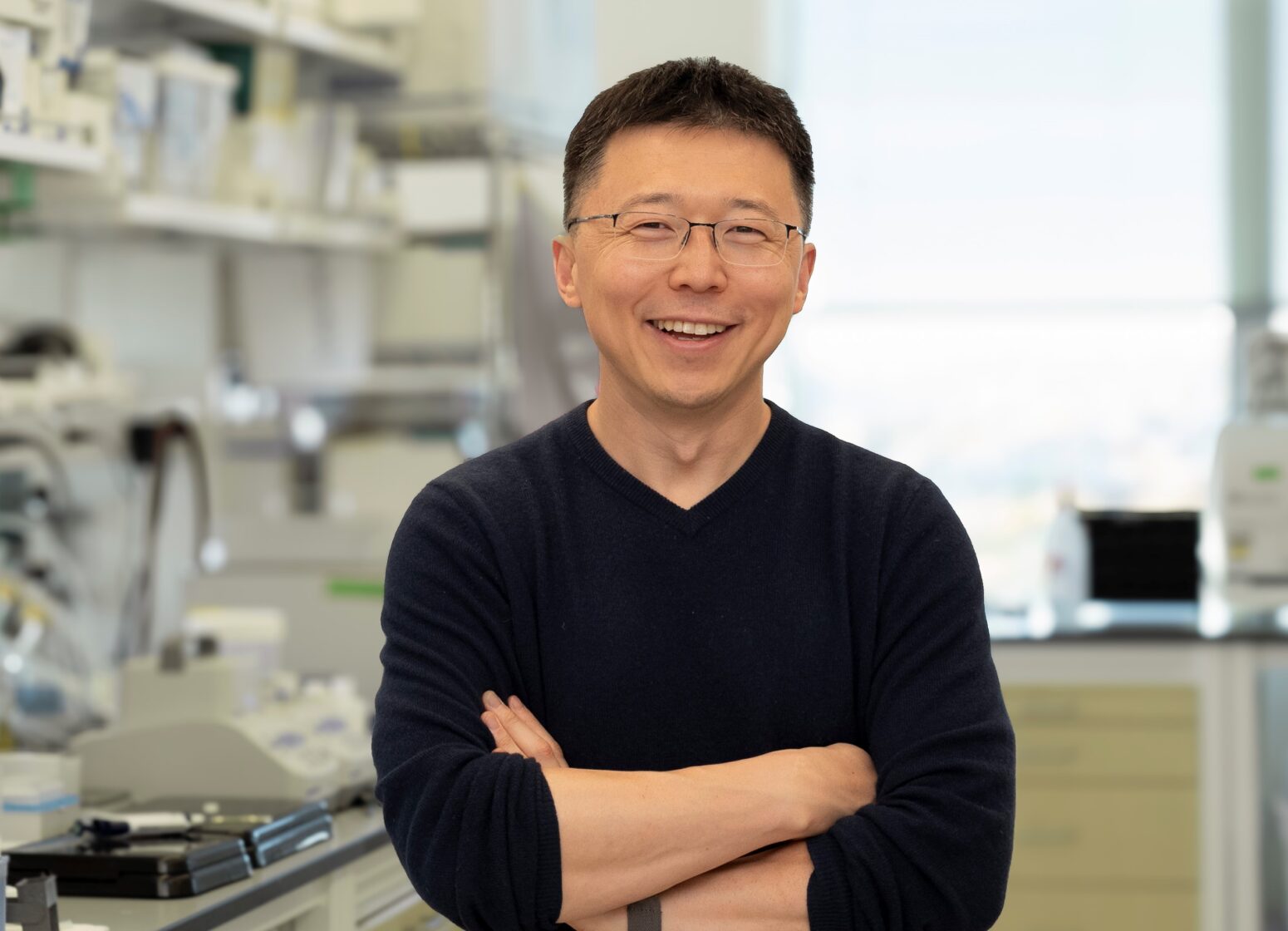
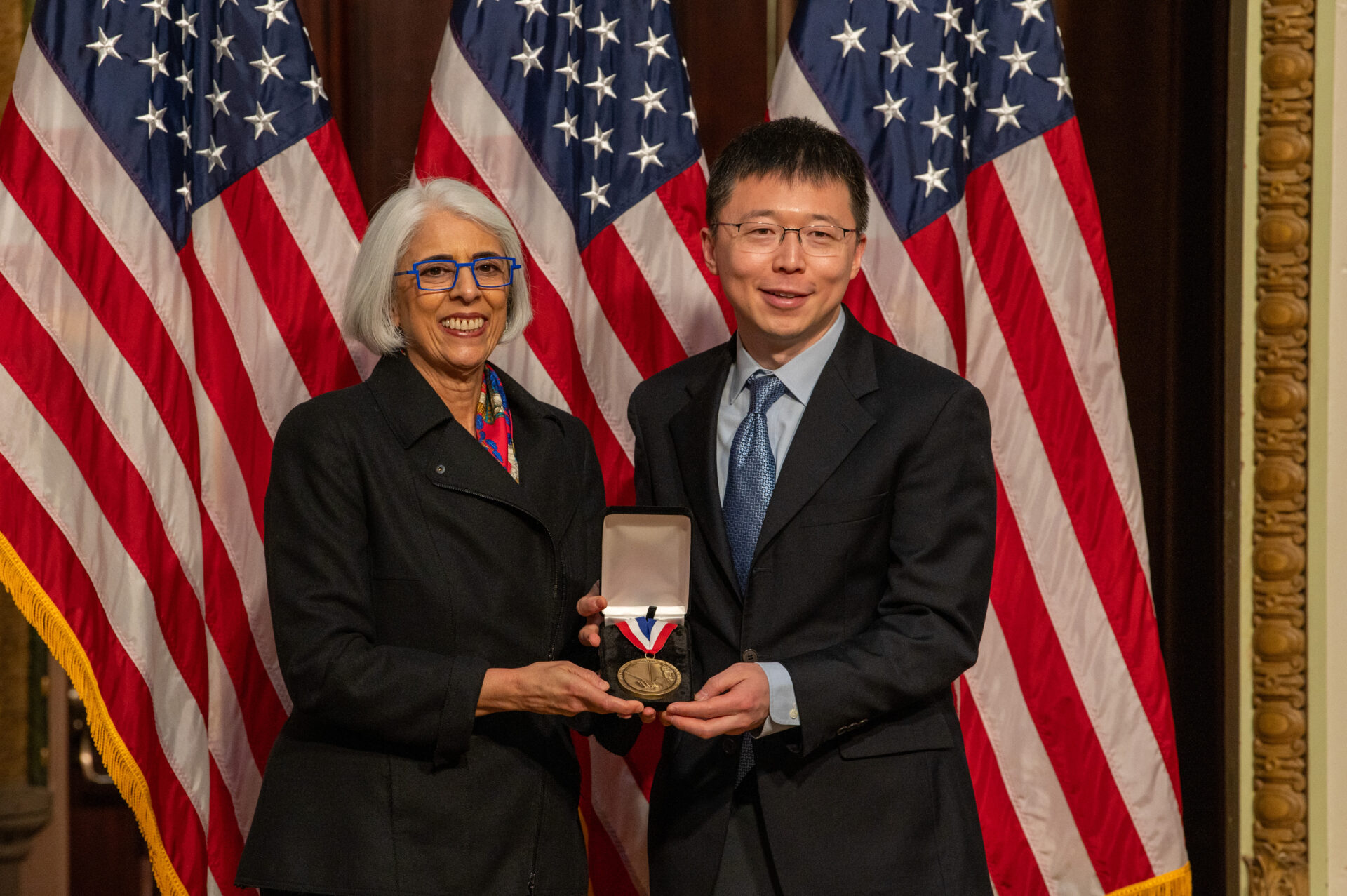
Feng Zhang
- Biological Sciences
For development of the revolutionary CRISPR-Cas9 gene editing technology, with widespread applications in agriculture and health research. Feng Zhang’s innovations are fundamentally transforming our collective health and well-being and have contributed to the development of treatments for sickle cell disease, cancer, type 1 diabetes, and more.